Endorsements Guide Investment Shifts in Gaming Affiliate Networks
Written by Willa Braun · Nov 12, 2026
Endorsements Guide Investment Shifts in Gaming Affiliate Networks
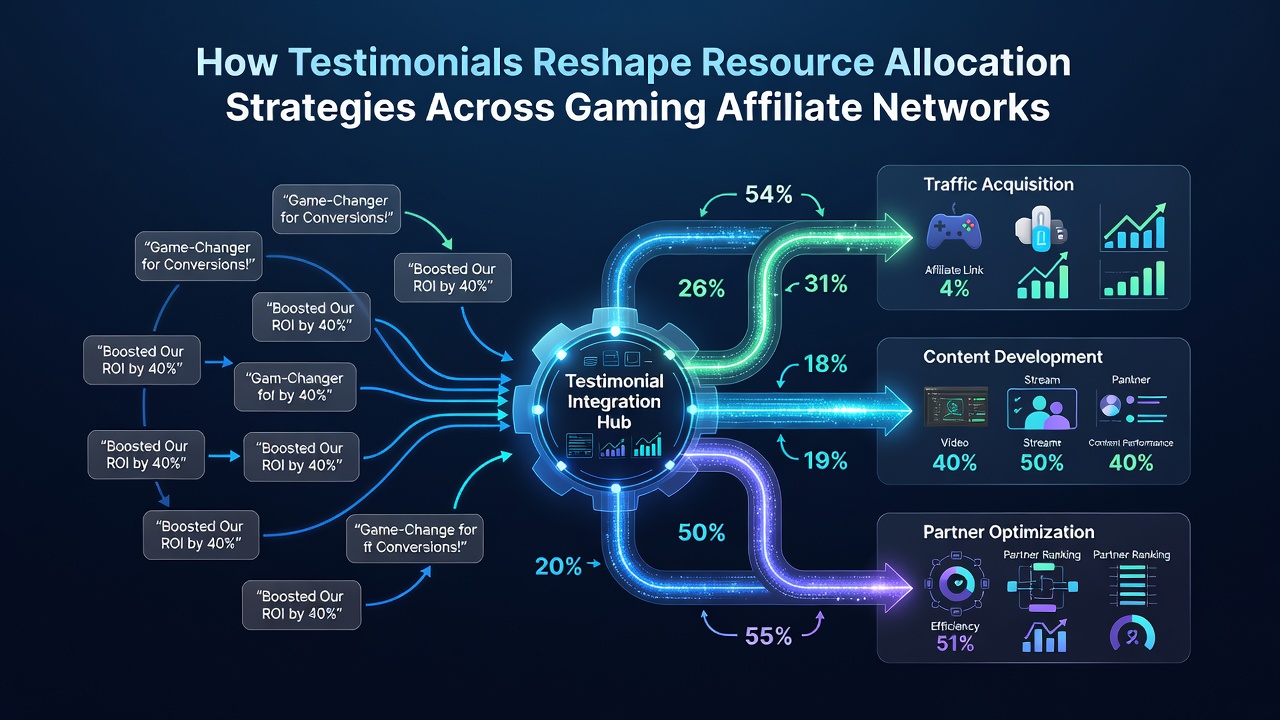
Observers note that testimonials collected from players and operators have begun to influence how gaming affiliate networks distribute budgets across marketing campaigns, technology upgrades, and partnership expansions, with data from multiple regions showing measurable changes in spending patterns since early 2025. Networks track feedback through dedicated platforms that aggregate reviews, conversion rates tied to specific promotions, and retention statistics, then feed those numbers into allocation models that prioritize channels with stronger endorsement signals.
Data Patterns Driving Allocation Changes
Research from industry reports indicates that networks in North America and Europe now allocate up to 35 percent more budget toward content featuring verified player stories compared with generic banner placements, according to figures released by the American Gaming Association in its 2026 mid-year review. Analysts at research institutions such as the University of Nevada, Reno, have documented how affiliate teams redirect funds away from underperforming traffic sources once testimonial clusters highlight higher lifetime value from certain player segments. These adjustments occur quarterly, with teams reviewing aggregated feedback to decide whether to increase spend on email sequences, social proof widgets, or localized landing pages.
Figures reveal that networks operating across multiple jurisdictions apply similar logic when evaluating technology investments. One study published by the Canadian Gaming Association found that positive testimonial volume correlated with faster returns on customer relationship management tools, prompting several operators to move resources from broad acquisition pushes into retention-focused features. The process involves cross-referencing endorsement sentiment scores against actual deposit and playtime metrics before finalizing quarterly budgets.
Regional Examples and Implementation
Take the case of a network managing partnerships in Australia and New Zealand where managers observed testimonial clusters praising seamless mobile onboarding. Those managers subsequently increased funding for mobile optimization teams while trimming allocations to desktop-only creatives. Data shared by the Australian Communications and Media Authority shows parallel shifts among regulated operators who tie testimonial performance to broader marketing spend decisions. In the European context, networks have adjusted resource distribution after reviews highlighted regional differences in player trust signals, moving funds toward localized compliance messaging that appears alongside endorsements.
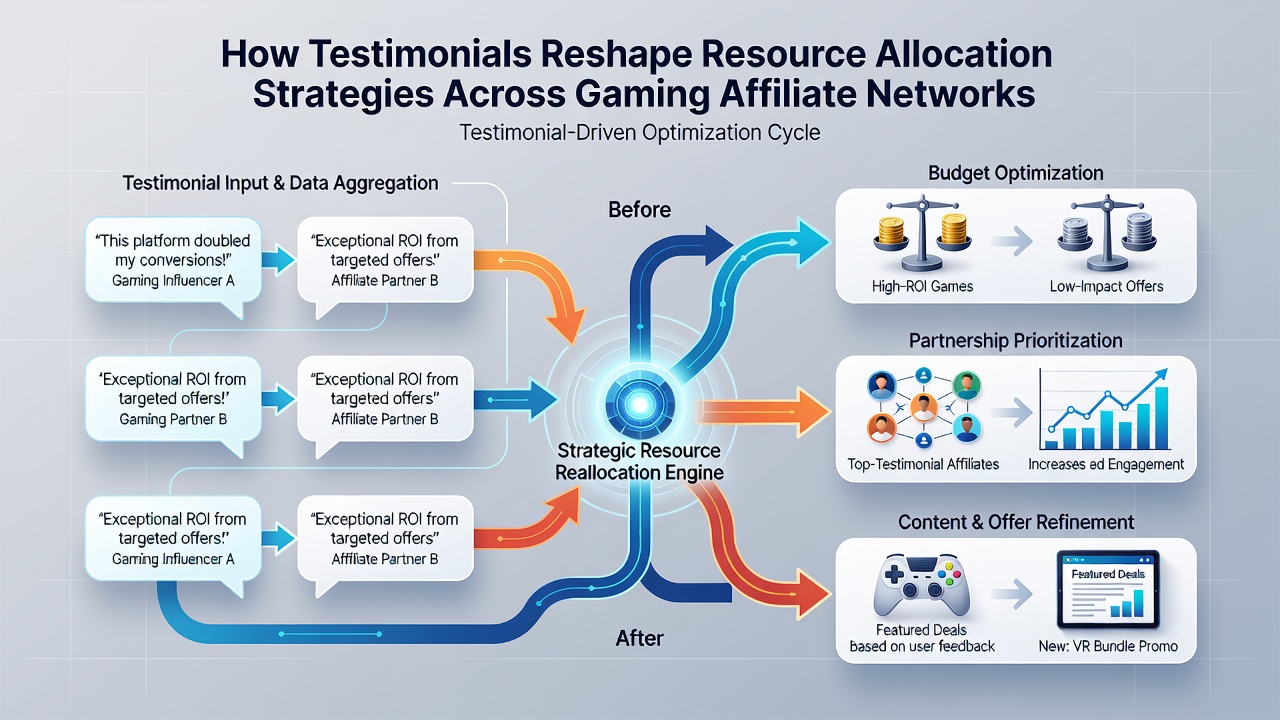
What's interesting is how these testimonial-driven reallocations extend beyond direct marketing. Networks have begun incorporating feedback loops into decisions about affiliate recruitment, with stronger endorsement clusters from existing partners leading to expanded commission structures and co-marketing budgets. Reports from the Malta Gaming Authority document similar patterns, where networks rebalanced payments to sub-affiliates based on aggregated player satisfaction data rather than volume alone.
Technology Integration and Measurement
Modern platforms integrate testimonial data with existing performance dashboards, allowing teams to run scenario models before committing funds. Experts at academic centers tracking digital marketing trends note that these systems often flag when certain endorsement types predict higher conversion across specific traffic sources, which then triggers automatic budget adjustments. As of November 2026, several networks have adopted machine learning layers that weigh testimonial recency and authenticity scores alongside traditional metrics such as cost per acquisition. The result appears in more granular allocation across geographic markets, with resources flowing toward regions where player stories demonstrate consistent engagement lift.
Observers point out that networks maintain audit trails linking testimonial volume to specific budget line items, which supports compliance reporting required by regulatory bodies in multiple jurisdictions. This documentation helps teams justify shifts when presenting quarterly plans to stakeholders. Data from the New Zealand Department of Internal Affairs highlights how such transparency has reduced disputes over resource distribution among partner affiliates.
Future Outlook for Allocation Models
Industry organizations continue to release updated frameworks that incorporate testimonial weighting into standard allocation protocols. Those frameworks emphasize combining qualitative feedback with quantitative outcomes to avoid over-reliance on any single signal. Networks that have implemented these approaches report steadier performance across campaigns, with resources directed toward initiatives that sustain long-term player relationships rather than short-term spikes. Continued collection of endorsement data across new markets is expected to refine these models further in coming periods.
Conclusion
Resource allocation within gaming affiliate networks now incorporates testimonial analysis as a core input alongside traditional performance indicators. The patterns documented across North America, Europe, Australia, and New Zealand demonstrate consistent movement of funds toward channels and tools supported by verified player feedback. This approach continues to evolve as measurement systems improve and regulatory expectations around transparency remain steady.